
The Role of Ear Training in Contemporary Music Education
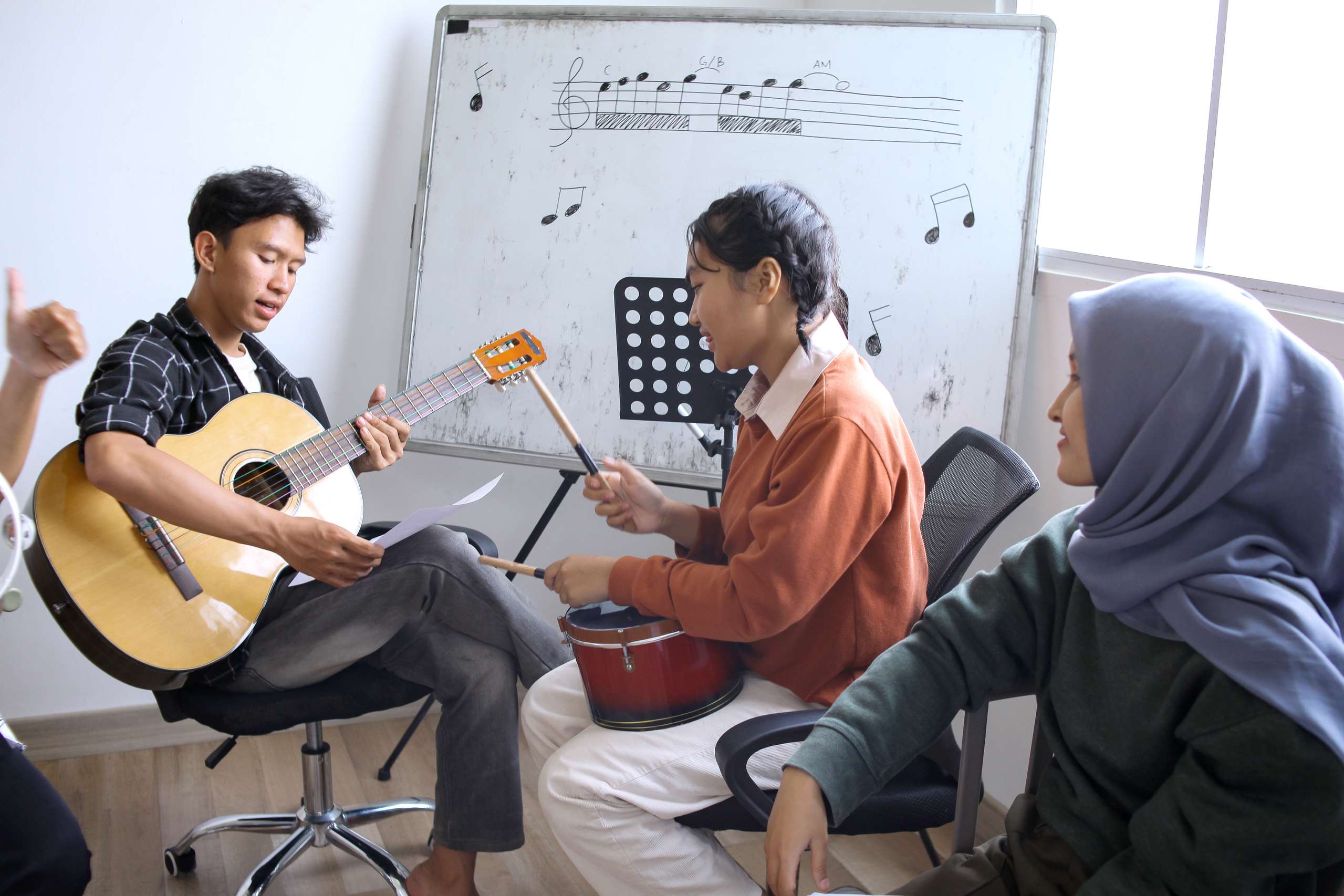
Ear training is a key part of musicianship, but is frequently overlooked in traditional music education. To get good at singing, playing an instrument, or getting both of those — and jazz is booth — ‘under our fingers’ literally means our ways around pitches, rhythms and the relationships all notes have with one another. This enhances many aspects of your playing, not only performance but also improvising, composing and ensemble work.” Great musicians with excellent aural skills can see the changes coming, hear little things that only someone who listens would notice, and respond artistically in real time If we are able to listen deeply to each other as our students play, it adds dimension and expression in ways not achievable through pure technique.
Ear training has been an inextricable partner to musical memory. Repetitive exposure to melodies, intervals, and chord progressions helps students develop their pattern-processing skills as well as retain musical information in accurate memory. This skill has a direct impact on sight-reading, improvisation and transcription skills, allowing musicians to be more self-sufficient and confident. Harmonic And Rhythmic Wonder: A well-schooled ear is the key to the comprehension of dense harmonic sounds that are a part and parcel of all classical music as much as they are a cornerstone of rock!
Ear training also helps the mind more directly connect to the instrument. When a player can hear an interval or rhythm in his or her head before playing it — that is, imagine and execute independently of the instrument — it reduces the distance between what you hear in your mind’s ear and put down on tape. This combination of auditory processing and motor output serves to enhance accuracy as well as possible expressive interpretation. As students mature, they are increasingly able to anticipate what will happen musically, mold phrases by feel without needing them explained, and make their own choices about dynamics and articulation in a way that’s organic rather than imposed.
And let’s not forget that ear training is a great way to stimulate listening and critical thinking skills. Musicians also become good listeners and learners due to their understanding of pitch, tone and rhythm which increases the sensibility for other musicians and listening to recordings. When students get exposed to a variety of styles and genres, they increase their musical vocabulary, and this makes them well-rounded both as performers and composers. So this kind of awareness translates to ensemble and whenever you’re in a situation where everybody can listen deeply and make musical decisions, it creates for me the best possible communication way within an ensemble.
In modern music education, combining theory-based ear training with active practice has become more available through digital instruments and interactive forums. These tools provide one-on-one interaction and individualized instruction with a user-friendly design that motivates students to improve their scores. Whether a student is dedicated to classical proficiency, jazz improvisation or producing electronic music, ear training guarantees that technical abilities are supported by developed aural comprehension. Finally, growing the ear is not just an academic endeavor; it is a transformative process that influences how musicians listen to and play music their whole lives.